
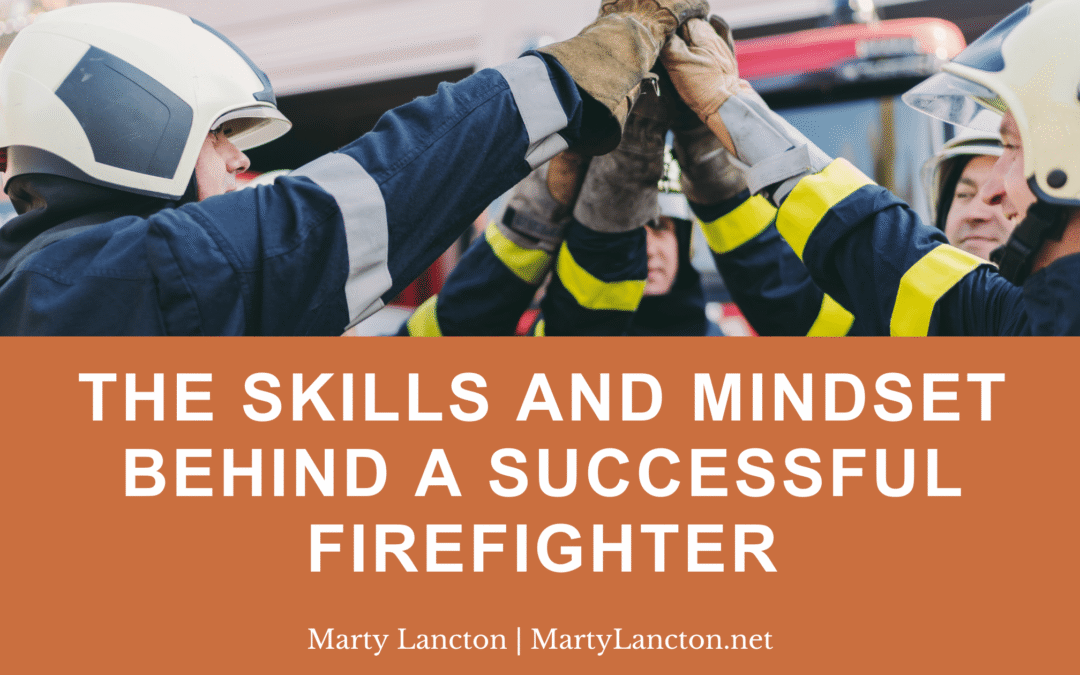
Firefighting is a profession built on preparation, teamwork, courage, and service. While the public often sees firefighters in moments of urgency, much of the work happens long before an emergency begins. Training, physical conditioning, communication, and mental preparation all contribute to being ready when others need help.
For anyone considering a career in firefighting, understanding what the profession demands can be the first step toward determining whether it is the right path.
Build a Strong Physical Foundation
Firefighting can be physically demanding, making fitness an important part of preparation. Strength, cardiovascular endurance, mobility, balance, and stamina can all contribute to performing effectively in challenging environments.
Training should be approached progressively. Building a consistent routine and developing functional strength can help prepare the body for demanding tasks while also reinforcing discipline and perseverance.
Physical preparation, however, is only one part of the equation.
Develop Skills Beyond Fitness
Successful firefighters rely on a wide range of abilities. Communication is essential because emergency situations require people to exchange information clearly and work together under pressure.
Problem-solving is equally important. Conditions can change quickly, and firefighters may need to assess situations, adapt to new information, and make sound decisions as part of a coordinated team.
Technical training, equipment familiarity, emergency procedures, and continued education also play an important role. Firefighting is not a profession where learning stops after initial training. Skills need to be practiced and developed throughout a career.
Learn to Work as a Team
Few professions demonstrate the importance of teamwork as clearly as firefighting. Every person on a crew has responsibilities, and success depends on people trusting one another and communicating effectively.
Being dependable matters. So does knowing when to listen, when to speak up, and when to support someone else. A strong team is built through preparation and mutual respect long before an emergency occurs.
Develop the Right Mindset
Courage is certainly part of firefighting, but courage does not mean ignoring fear or difficulty. It means remaining focused and continuing to do what needs to be done despite challenging circumstances.
Patience, emotional resilience, humility, and a willingness to learn can be just as valuable. Firefighters encounter difficult situations, and being able to process those experiences, learn from them, and continue moving forward is an important part of building a sustainable career.
Finding Fulfillment in the Work
A fulfilling career in firefighting is about more than responding to emergencies. It can provide a strong sense of purpose through service, teamwork, continuous learning, and the opportunity to make a meaningful difference in people’s lives.
The path requires commitment, preparation, and an honest understanding of the demands involved. But for those who value service and thrive in a team-oriented environment, firefighting can offer something especially meaningful: the knowledge that the skills you develop are being used to help others when they need it most.