
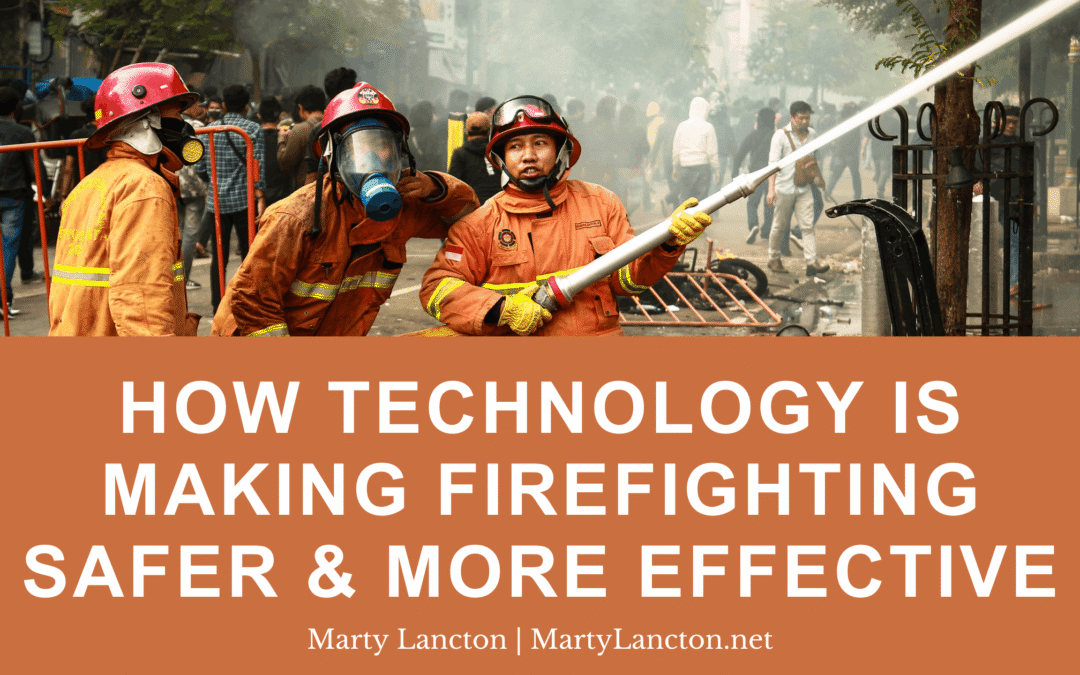
Firefighting has always been one of the most demanding and high-risk professions. Every emergency presents unique challenges, from navigating dangerous environments to making rapid decisions under immense pressure. While courage and training remain at the heart of every successful response, modern technology is transforming how firefighters prepare for and manage emergencies.
Today’s innovations are helping fire departments respond faster, work more efficiently, and reduce risks whenever possible. By combining human expertise with advanced tools, firefighting continues to evolve into a smarter and more effective profession.
Smarter Situational Awareness
One of the greatest advantages technology offers is improved awareness during emergencies. Modern mapping systems, thermal imaging cameras, and digital communication platforms provide firefighters with valuable information before and during an incident.
These tools can help crews identify hotspots, navigate smoke-filled structures, and monitor changing conditions in real time. Better visibility allows teams to make informed decisions more quickly, helping improve both operational efficiency and responder safety.
Advanced Equipment for Better Protection
Protective gear has also seen remarkable improvements over the years. Today’s firefighting equipment is designed with lighter, more durable materials that improve mobility while maintaining high levels of protection.
Enhanced breathing apparatus, wearable monitoring devices, and improved helmet designs contribute to greater comfort and safety during extended operations. Some wearable technologies can even monitor vital signs or alert commanders if a firefighter becomes motionless, allowing for faster response in critical situations.
Drones and Robotics Expanding Capabilities
Unmanned aerial vehicles, commonly known as drones, are becoming valuable tools during emergency responses. They can quickly survey large areas, locate hotspots, monitor wildfire spread, and provide aerial views that would otherwise be difficult or dangerous to obtain.
In certain hazardous situations, robotic systems can also be used to inspect unstable structures or enter environments that may be unsafe for firefighters. These technologies help reduce unnecessary exposure to dangerous conditions while providing critical information to response teams.
Data-Driven Emergency Response
Technology is also improving emergency planning and resource management. Computer-aided dispatch systems, predictive analytics, and integrated communication networks enable departments to deploy personnel and equipment more efficiently.
By analyzing historical incident data and environmental conditions, agencies can better prepare for periods of increased fire risk and position resources where they may be needed most. This proactive approach supports faster response times and improved coordination during emergencies.
Training for Real-World Challenges
Virtual reality (VR) and simulation-based training are changing how firefighters develop their skills. These immersive training environments recreate realistic emergency scenarios without exposing participants to actual danger.
Firefighters can practice decision-making, teamwork, and specialized techniques repeatedly, building confidence and experience before facing real-life incidents. Ongoing training supported by technology helps maintain readiness while reinforcing safe operational practices.
Looking Ahead
Technology will never replace the dedication, judgment, and bravery of firefighters. Instead, it serves as a powerful partner that enhances their ability to protect lives and property. As innovations continue to emerge, fire departments can benefit from better information, stronger communication, and more effective equipment that supports safer and more efficient emergency response.
By embracing modern technology while continuing to invest in training and teamwork, the future of firefighting is becoming increasingly prepared to meet the challenges of an ever-changing world.