
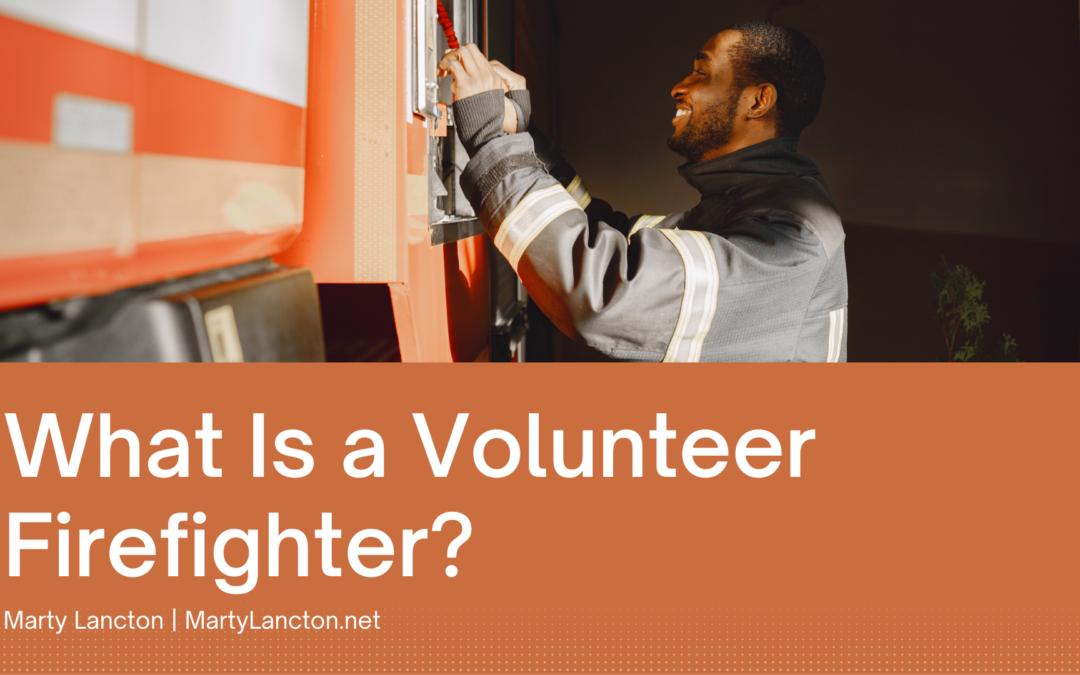
Volunteer firefighters play a crucial role in ensuring the safety and well-being of communities worldwide. These dedicated individuals selflessly donate their time and skills to protect lives and property from the devastating effects of fires and other emergencies. Here is an overview of volunteer firefighters’ duties, responsibilities, and qualifications.
Duties and Responsibilities
Volunteer firefighters are trained professionals who respond to fires, medical emergencies, hazardous material incidents, and natural disasters. While specific duties may vary based on the department and jurisdiction, the primary responsibilities of volunteer firefighters include:
Fire Suppression: Volunteer firefighters are trained in fire suppression techniques, including extinguishing fires, conducting search and rescue operations, and providing emergency medical assistance to those in need.
Emergency Medical Services: Many volunteer firefighters are certified as Emergency Medical Technicians (EMTs) or Paramedics, enabling them to provide critical medical care at the scene of an incident until advanced medical support arrives.
Training and Qualifications
Becoming a volunteer firefighter requires a commitment to training and ongoing education. While specific requirements may vary by jurisdiction, the following qualifications are typically necessary:
Age and Physical Fitness: Volunteer firefighters must meet the age requirements set by their local fire department. They should also be in good physical condition to perform physically demanding tasks.
Background Checks: Prospective volunteer firefighters must pass a comprehensive background check, which may include criminal history, driving record, and reference checks.
Firefighter Training: Volunteer firefighters undergo training programs that include classroom instruction, hands-on drills, and simulated exercises. Training covers firefighting techniques, emergency medical services, hazardous materials response, and other essential skills.
However, volunteer firefighting also presents challenges, including:
Time Commitment: Responding to emergencies and maintaining training requirements can be time-consuming, requiring a significant commitment from volunteer firefighters who balance their duties with work and personal life.
Emotional and Physical Demands: Firefighting can be emotionally and physically demanding, exposing volunteer firefighters to high-stress situations and traumatic events.
Volunteer firefighters are essential to public safety infrastructure, working tirelessly to protect lives, property, and communities from the devastating effects of fires and emergencies. With their dedication, training, and selflessness, these individuals make invaluable contributions to society.