
Behind every emergency response is a foundation built long before the alarm sounds. Firefighters don’t rely on instinct alone—they rely on preparation, repetition, and a deep understanding of both physical and strategic demands. The training ground is where all of this begins. It’s where raw recruits are shaped into capable professionals, and where experienced firefighters continue to refine the skills that save lives.
Training for firefighters is not just about learning how to put out fires. It’s about developing strength, sharpening decision-making, and preparing for the unpredictable nature of emergencies.
Building Physical Strength for Real-World Demands
Firefighting is one of the most physically demanding professions. Carrying heavy equipment, climbing ladders, breaking through obstacles, and rescuing victims require exceptional strength and endurance.
On the training ground, firefighters push their bodies to the limit. They engage in drills that simulate real-life conditions—hauling hoses, dragging weighted dummies, and navigating obstacle courses while wearing full gear. These exercises are designed to replicate the physical stress of actual emergencies.
But it’s not just about brute strength. Functional fitness is key. Firefighters train for movements they will actually perform in the field, ensuring their bodies are prepared for the unique challenges they’ll face. Over time, this type of training builds not only physical power but also stamina and resilience.
Strategy: The Thinking Behind the Action
While strength is essential, strategy is what makes firefighting effective. Every emergency scene is different, and quick, informed decisions can mean the difference between life and death.
Training environments are designed to challenge the mind as much as the body. Firefighters participate in scenario-based drills that require them to assess situations, identify risks, and choose the best course of action under pressure.
They learn how to read smoke patterns, understand fire behavior, and coordinate with team members. These strategic elements are practiced repeatedly so that in real emergencies, responses become second nature.
The goal is not just to react—but to respond with precision and purpose.
Simulating the Unpredictable
One of the greatest challenges in firefighting is unpredictability. No two emergencies are ever the same. That’s why modern training focuses heavily on simulation.
Controlled live-fire exercises, mock rescue operations, and virtual training tools expose firefighters to a wide range of possible scenarios. These simulations create a safe environment to make mistakes, learn lessons, and improve performance.
By experiencing different situations during training, firefighters build confidence. They become familiar with chaos, which allows them to stay calm and focused when facing real danger.
Teamwork at the Core
Firefighting is never a solo effort. Success depends on coordination, communication, and trust among team members.
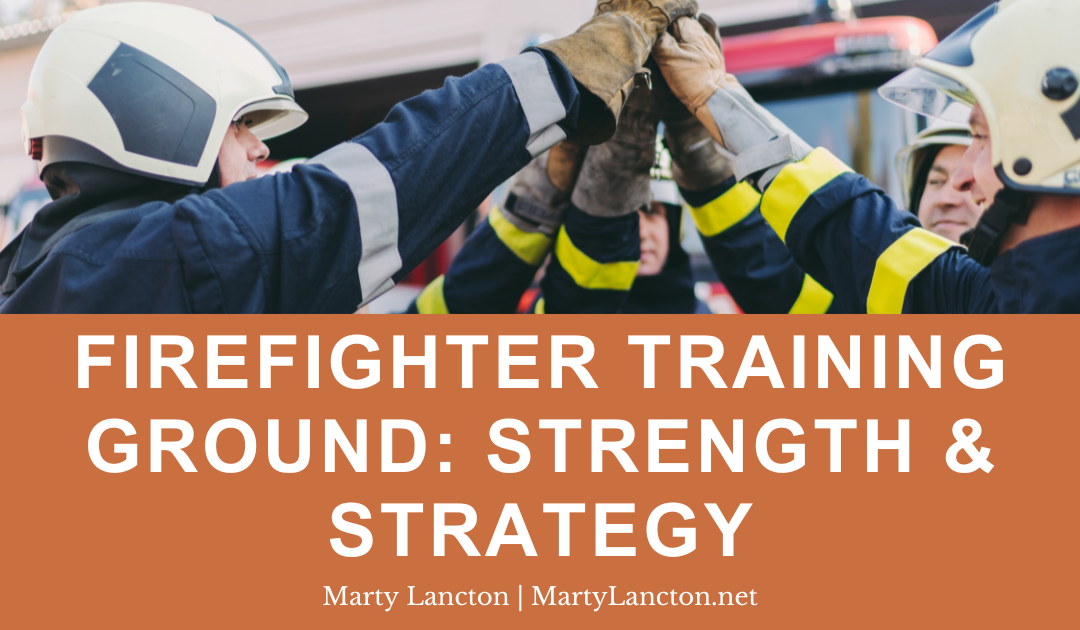
The training ground emphasizes teamwork in every exercise. Firefighters learn how to operate as a unit—moving together, supporting one another, and communicating clearly even in high-stress conditions.
Drills often require split-second coordination, reinforcing the importance of trust. Each member must rely on the others to perform their role effectively.
This sense of unity doesn’t just improve performance—it also creates a strong bond among firefighters, which is crucial in such a high-risk profession.
Mental Toughness and Emotional Readiness
Physical strength and strategy are only part of the equation. Firefighters also need mental toughness.
Training pushes individuals beyond their comfort zones, forcing them to operate under stress, fatigue, and pressure. This builds resilience and prepares them to handle the emotional weight of real emergencies.
They learn to stay focused in chaotic environments, manage fear, and maintain composure when lives are at stake. These mental skills are just as important as any physical ability.
In addition, training often includes discussions and support systems that address the emotional challenges of the job, helping firefighters process their experiences in a healthy way.
Continuous Learning and Improvement
The training ground is not just for beginners. Even experienced firefighters return regularly to refine their skills and stay updated on new techniques and technologies.
Firefighting is constantly evolving. New equipment, improved safety protocols, and changing environments require ongoing education.
By committing to continuous training, firefighters ensure they are always prepared for whatever comes their way. This dedication to improvement is what keeps both them and their communities safe.
Final Thoughts
The training ground is where firefighters are truly made. It’s a place of growth, challenge, and transformation. Here, strength is built through hard work, and strategy is developed through experience and learning.
Every drill, every simulation, and every lesson contributes to a larger purpose—saving lives and protecting communities.
When firefighters respond to an emergency, they carry the training ground with them. It shapes their actions, guides their decisions, and gives them the confidence to face the unknown.
Because in the world of firefighting, preparation isn’t optional—it’s everything.