
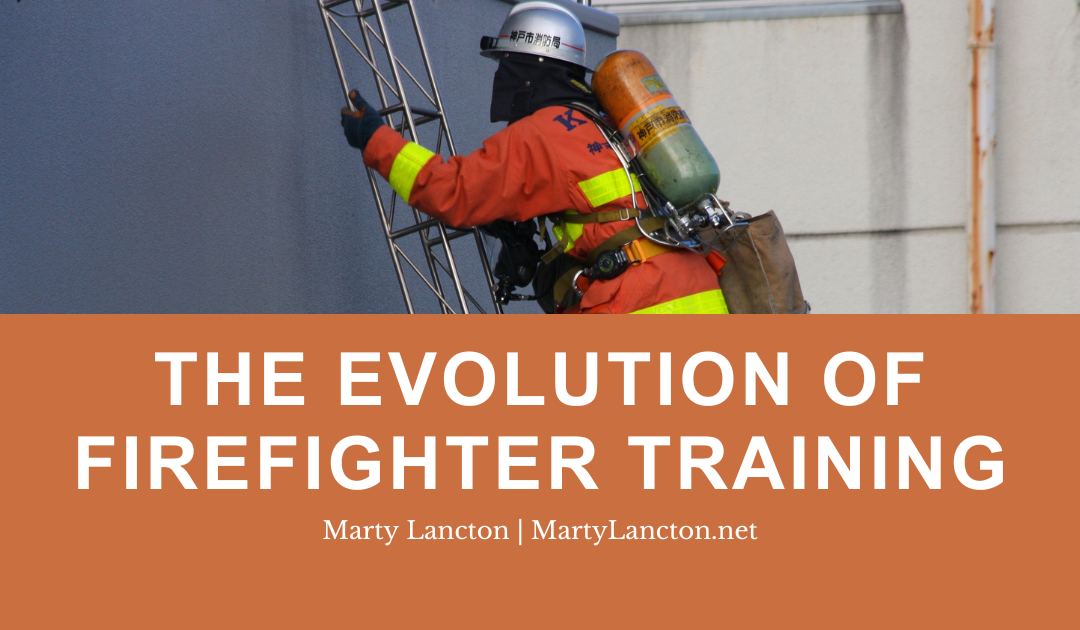
Firefighting has always been a profession defined by courage, quick thinking, and resilience. But behind every successful emergency response lies something equally critical—training. Over the years, firefighter training has undergone a remarkable transformation, evolving from basic drills to highly sophisticated, scenario-based learning. Today, the focus is clear: prepare firefighters for real-world challenges by simulating real-life situations as closely as possible.
From Traditional Drills to Modern Techniques
In the past, firefighter training often relied on repetitive drills and classroom instruction. While these methods built foundational knowledge and discipline, they sometimes fell short in preparing firefighters for the unpredictable nature of emergencies. Fires don’t follow scripts, and no two situations are ever exactly the same.
Recognizing this gap, training programs began to shift toward more dynamic and practical approaches. Instead of simply learning procedures, firefighters started engaging in hands-on exercises that mimic actual emergencies. This transition marked the beginning of a new era—one where realism became the cornerstone of effective training.
The Rise of Scenario-Based Training
One of the most significant advancements in firefighter training is the adoption of scenario-based learning. These training exercises place firefighters in controlled yet realistic environments where they must respond to simulated emergencies.
From navigating smoke-filled buildings to rescuing victims in high-pressure situations, these scenarios are designed to test both physical and mental capabilities. Firefighters learn how to make quick decisions, communicate effectively, and adapt to rapidly changing conditions.
This approach not only enhances technical skills but also builds confidence. When firefighters encounter similar situations in real life, they are better prepared because they’ve already faced comparable challenges during training.
Technology Transforming Training
Modern technology has played a major role in revolutionizing firefighter training. Advanced tools such as virtual reality (VR), augmented reality (AR), and simulation software now allow trainees to experience complex scenarios without real-world risks.
For example, VR training can recreate dangerous environments like high-rise fires, chemical hazards, or confined space rescues. Firefighters can practice responding to these situations repeatedly, learning from mistakes without facing actual danger.
Thermal imaging cameras, fire behavior simulators, and digital tracking systems also provide valuable insights during training sessions. These tools help instructors analyze performance, identify areas for improvement, and ensure that every firefighter meets high standards of readiness.
Emphasizing Mental Preparedness
While physical strength and technical knowledge are essential, modern training also emphasizes mental preparedness. Firefighters often face high-stress, life-threatening situations that require calm decision-making under pressure.
Training programs now incorporate stress management techniques, decision-making exercises, and psychological resilience building. By exposing firefighters to intense but controlled scenarios, they learn how to stay focused and composed even in chaotic environments.
This mental conditioning is just as important as physical training. It helps firefighters maintain clarity, reduce panic, and perform effectively when lives are on the line.
Teamwork and Communication
Firefighting is never a solo effort. It requires seamless coordination among team members, often in high-risk conditions. Modern training places a strong emphasis on teamwork and communication.
Scenario-based exercises are designed to encourage collaboration, ensuring that every team member understands their role and responsibilities. Firefighters practice giving clear instructions, sharing information, and supporting one another during operations.
These skills are critical in real emergencies, where effective communication can mean the difference between success and failure.
Continuous Learning and Adaptation
The evolution of firefighter training doesn’t stop with initial certification. Continuous learning has become a key part of the profession. As new challenges emerge—such as climate-related disasters, urban growth, and advanced building materials—training programs must adapt accordingly.
Firefighters regularly participate in refresher courses, advanced training sessions, and specialized workshops. This commitment to ongoing education ensures they remain prepared for the ever-changing nature of emergencies.
Bridging the Gap Between Training and Reality
The ultimate goal of modern firefighter training is to bridge the gap between practice and real-life experience. By focusing on realistic scenarios, leveraging technology, and emphasizing both mental and physical readiness, today’s training programs create well-rounded, highly capable firefighters.
This evolution reflects a deeper understanding of what it truly takes to respond effectively in emergencies. It’s not just about knowing what to do—it’s about being able to do it under pressure, in unpredictable conditions, and with confidence.
Conclusion
Firefighter training has come a long way from simple drills to immersive, real-world simulations. The shift toward “real skills in real scenarios” has redefined how firefighters prepare for their vital role in society.
As challenges continue to evolve, so too will the methods used to train those who stand on the frontlines. One thing remains constant: the commitment to excellence, safety, and saving lives. Through continuous innovation and dedication, firefighter training will keep pushing boundaries—ensuring that when the alarm sounds, firefighters are ready for whatever comes next.